Understanding the psychology behind gambling behavior in casinos
The Allure of Gambling: Understanding the Motivation
The psychology behind gambling behavior begins with an understanding of motivation. Many individuals are drawn to casinos for the thrill of potentially winning large sums of money. This desire for financial gain often outweighs the rational considerations of loss. In a high-stakes environment, players experience a rush of adrenaline that can be intoxicating. As a result, they often find themselves exploring sites like https://mybet9-australia.com/ to enhance their gaming experience. This thrill becomes a powerful motivator, leading individuals to take risks they might otherwise avoid.
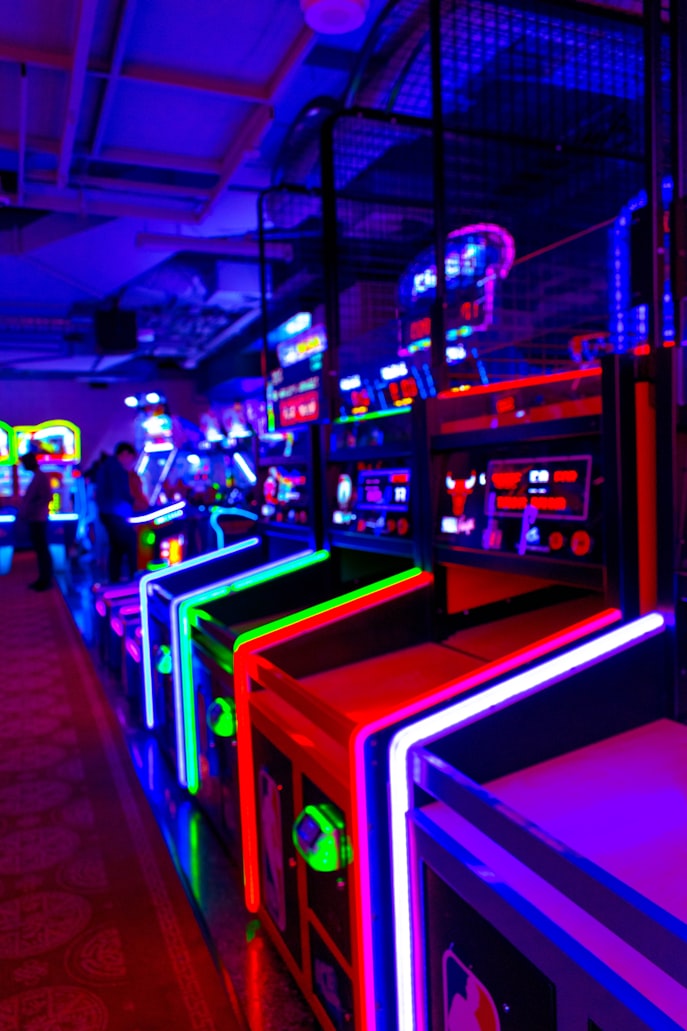
Additionally, social factors play a critical role in gambling behavior. Casinos are social hubs where individuals can interact and share experiences, enhancing the excitement of the game. The presence of others amplifies the emotional highs and lows associated with gambling. This communal aspect provides a sense of belonging, making the gambling experience more enjoyable and compelling for many players.
Moreover, the concept of “loss aversion” significantly influences gambling behavior. Research indicates that individuals feel the pain of loss more acutely than the joy of gain. This phenomenon can lead players to chase losses, creating a cycle of increased gambling. The desire to recover lost money can cloud judgment, causing individuals to make impulsive decisions that further entrench them in a gambling mindset.
The Role of Cognitive Biases in Gambling
Cognitive biases are pervasive in gambling environments, affecting how players interpret outcomes and make decisions. One common bias is the “gambler’s fallacy,” which is the belief that past events can influence future probabilities in games of chance. For instance, a player might assume that a slot machine is “due” for a payout after a series of losses, leading them to gamble more in hopes of a forthcoming win. This irrational thinking contributes to persistent gambling behavior.
Another relevant bias is overconfidence, where gamblers believe they possess a greater skill level or knowledge than they actually do. This overestimation can drive individuals to make larger bets or engage in riskier games, convinced that they can outsmart the odds. Unfortunately, this belief often leads to significant financial loss, further perpetuating the gambling cycle.
The confirmation bias also plays a role in shaping gambling behavior. Players often focus on information that validates their winning strategies while dismissing evidence that contradicts their beliefs. This selective perception reinforces a sense of competence and control over their gambling choices, which can lead to continued play, despite mounting losses.
The Emotional Rollercoaster of Gambling
The emotional dynamics of gambling are as complex as the games themselves. Players often experience a range of emotions, from exhilaration to despair, during their gaming sessions. Winning can create a euphoric high that players chase, leading them to gamble more in pursuit of that feeling. Conversely, losing can induce anxiety and frustration, prompting players to take risks to regain their losses. This emotional rollercoaster can cloud judgment, making it difficult for individuals to engage in rational decision-making.
Additionally, the concept of “near misses” significantly affects emotional responses. When players come close to winning, even if they ultimately lose, it can trigger feelings of excitement and hope. This phenomenon can lead to increased gambling, as players are convinced that a win is just around the corner. The near-miss effect can be a powerful motivator, as it encourages players to continue betting in hopes of achieving a successful outcome.
Furthermore, the social setting of casinos enhances emotional experiences. Interactions with fellow gamblers and the environment itself can heighten feelings of excitement and anticipation. The vibrant sounds, bright lights, and overall ambiance create an exhilarating atmosphere that can heighten emotions, further embedding individuals in the gambling experience. This blend of emotions makes it challenging for individuals to assess their gambling behavior critically.
The Impact of Environment on Gambling Behavior
The physical layout and design of casinos are strategically planned to influence gambling behavior. From the moment players enter a casino, they are engulfed in an environment crafted to enhance excitement and engagement. The absence of clocks and windows creates a sense of timelessness, encouraging patrons to lose track of time while they play. This design tactic can lead to extended gambling sessions, as individuals remain unaware of how long they have been immersed in the experience.
Additionally, the placement of games is intentional, with popular games positioned to draw attention and attract players. High-stakes tables are often located in prominent areas, inviting seasoned gamblers to engage with the allure of significant payouts. This strategic placement fosters a competitive atmosphere that can entice players to bet larger amounts in hopes of greater rewards, further fueling their gambling behavior.
Lighting and sound also play crucial roles in the casino experience. The use of bright lights and engaging sounds when players win creates a positive reinforcement loop, encouraging continued play. Conversely, the subdued ambiance of losing tables may deter players from lingering. By manipulating sensory elements, casinos effectively shape player behavior and decision-making, driving them toward riskier choices.

Exploring Online Casinos and Their Psychological Effects
With the rise of online gambling platforms, understanding gambling behavior has expanded to include virtual environments. Online casinos offer the same thrill and excitement as traditional establishments but with added convenience and accessibility. Players can gamble from the comfort of their homes, removing physical barriers that might limit their participation. This ease of access can exacerbate gambling tendencies, particularly for individuals already predisposed to such behaviors.
Furthermore, online casinos often incorporate gamification elements, enhancing player engagement. Features such as loyalty programs, rewards, and interactive graphics provide additional incentives for continued play. These elements can create a sense of achievement and progression, further enticing players to return and gamble more frequently. This blend of psychological and technological strategies makes online gambling particularly alluring.
Additionally, the anonymity of online gambling can lead to riskier behaviors. Players may feel less accountable for their actions without the social cues present in physical casinos. This disconnect can result in greater impulse control issues and lead to increased spending. The combination of convenience, gamification, and anonymity creates a complex environment that shapes gambling behavior in unique ways.
Deixe um comentário